
Introduction to Topic
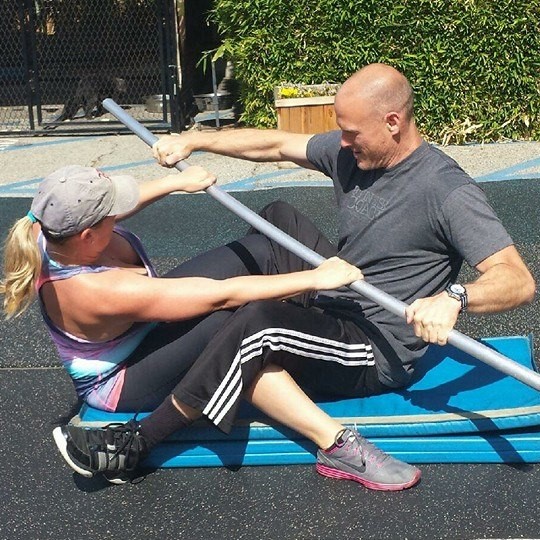
Strength and conditioning is the use of skills from one sport to benefit the ability to perform physically in another. Typically, throughout the inception of Strength and Conditioning as a primary directive within sports after the 1980's where actual departments within athletic programs started to develop, the primary sports that S&C were derived were the barbell sports (bodybuilding, powerlifting, Olympic lifting) and the endurance/speed sports (running, sprinting, jumping).
You'll notice this is separate of sports skill training which is directed by the coaches within the sport itself.
This approach was and is effective. But it became almost more of a 'sport within a sport' rather than the primary directive to be the enhancement of the performance parameters of the main sport being developed.

Symptoms
The issue with a 'sport within a sport' is that the main function of 'strength and conditioning' or its more broad counterpart 'fitness' should be, from a physiological point of view, to enhance the resilience to injury from competition in the main sport that all development should be directed.
When the 'sport within the sport' situation arose, injuries due to the sub-sport (lifting too heavy or for too much volume, for example) became all too common.
Therefore, the strength and conditioning or fitness development actually became the source of injuries rather than the solution to them.
Conventional Approach
Conventional training for strength and physical conditioning focuses above all on 'work capacity'. 'Work Capacity' refers to the range of physical development that presses the end range abilities of the body to perform tasks at a high intensity (eg. lifting very heavy) or volume (eg. running very far).
Risks
The Overtraining Trap
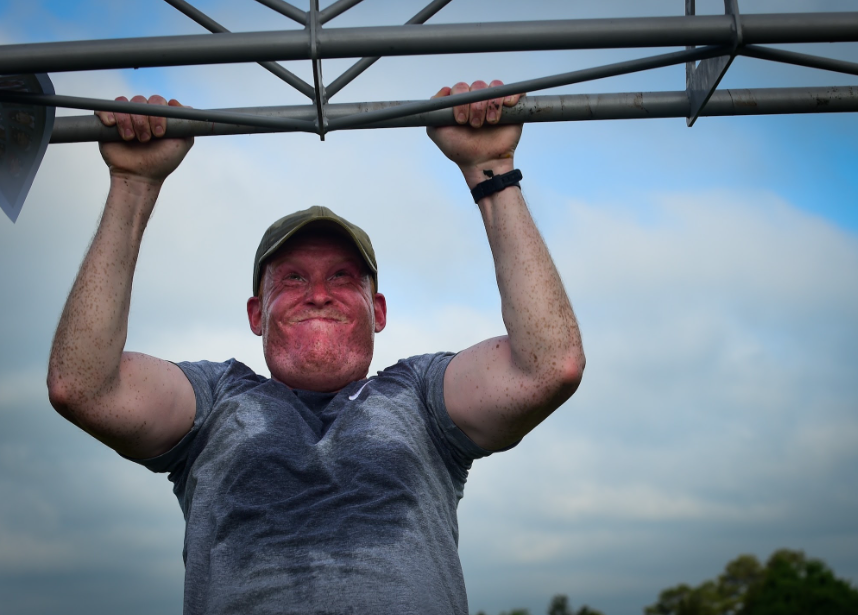
When you put the lion's share of the workload being done on 'work capacity' you risk entering an 'overtraining' state. While this may be appropriate at times to build mental and physical resilience, it leads to chronic inflammation and reduced time to recover appropriately.
- Chronic inflammation and reduced recovery time
- Injury susceptibility that can cascade into lifelong physical problems
- Reduced athletic performance and training setbacks
- Direct injury risk from overloaded training stimulus without appropriate physiological attention
Root Cause
Injury Resilience comes from building 'movement qualities' systematically level by level. When we skip this by focusing too much on the end goal and not the process, we create the situation described above.
While, of course, the long term goal is maximization of physical potential, keeping an objective awareness and focusing at the appropriate strategy for the level we are at will keep both goals of injury resilience and long term performance.
Kinesiology / RootHealth Approach
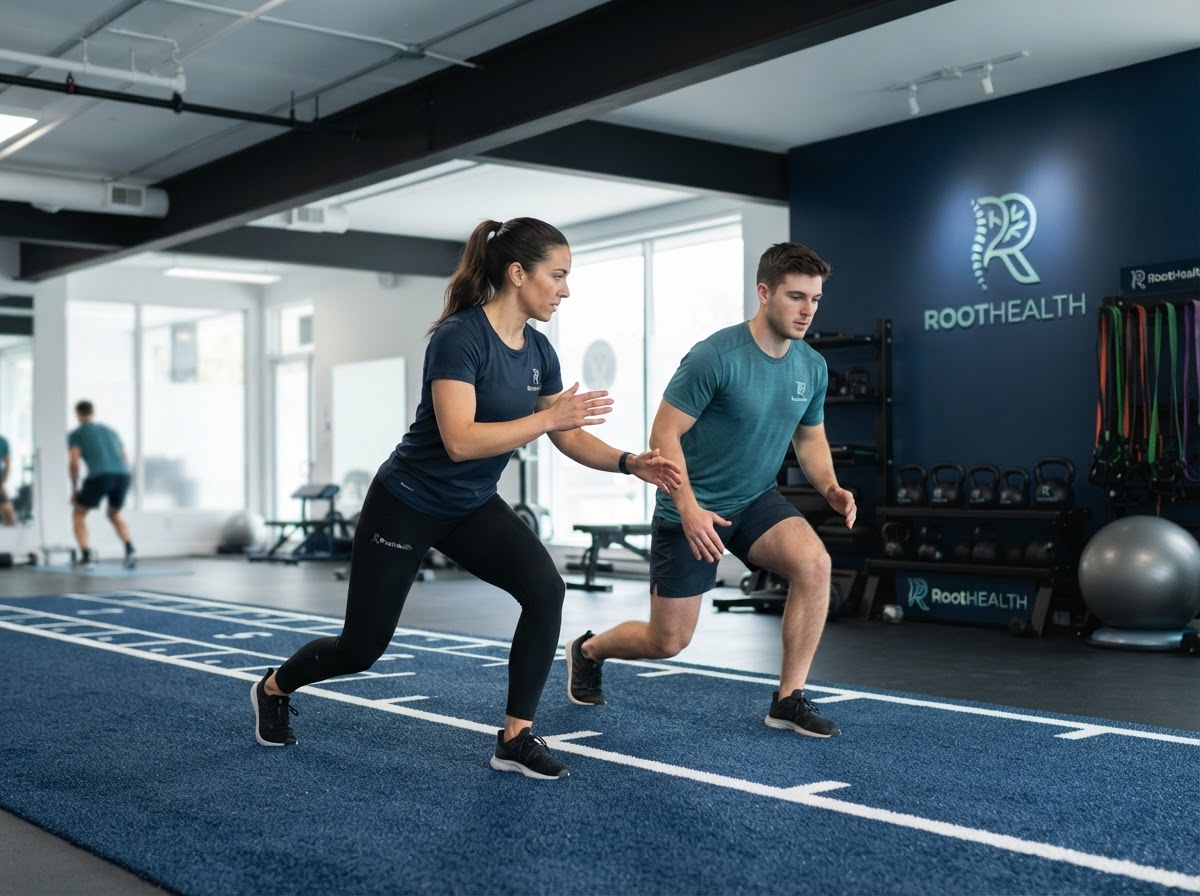
Jason Root has been training athletes for over 30 years. Several different philosophical and strategical characteristics are implemented in our programs to yield the best long term results.
Build physiology level by level
Systematic progression through movement qualities before advancing intensity.
Approaches must be comprehensive
Treating the body as a single unit rather than isolated parts.
Outcome vs Process
Focus on transference to the field — not mistaking gym performance for field performance.
Measure deeply and often
Data-driven tracking of progress and physiological markers.
Mastery over Maximization
Prioritize movement quality before loading quantity.
Focus, Attention & Hard Work
Intentional effort applied with precision and consistency.
While it is less 'sexy' than hill running or performing 200 pullups, using this systematic approach ensures that athletes build lasting resilience, avoid the common pitfalls of conventional strength and conditioning, and achieve peak performance when it matters most — in competition.
Stats & Supporting Research
Movement screening used to manage injury risk across a massive athletic population.
Jason Root's decades of systematic strength and conditioning for competitive athletes.
Building movement qualities systematically is proven to reduce injury rates.
Movement screening and systematic level-by-level development have been shown to significantly reduce injury rates across athletic populations. The Functional Movement System (FMS) has been used to manage injury risk among thousands of first responders, demonstrating the power of movement quality assessment.
Using the FMS to Manage the Injury Risk of 19,000 First Responders →Ready to Train Smarter?
Build injury resilience and maximize your athletic potential with our science-backed approach to strength and conditioning.
Apply To Join RootHealth Today!